THE NIGHT OF KNIVES: WHEN EVIL WALKS FREE IN CONGO’S EAST
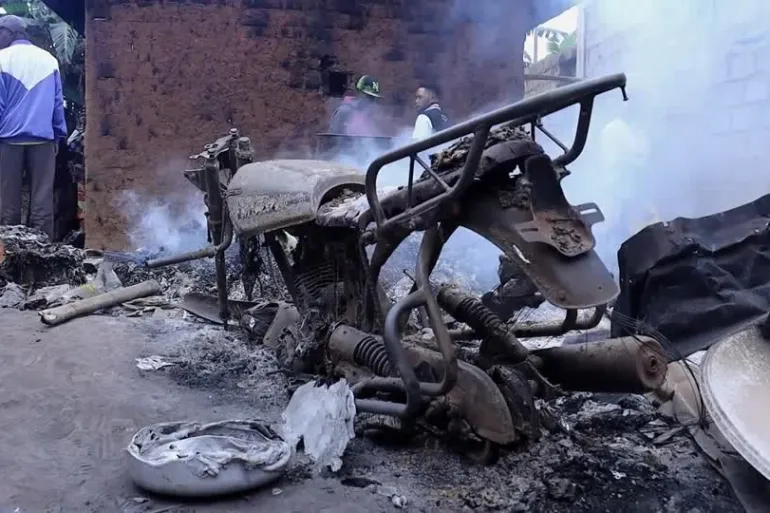
Another month, another massacre. Fifty-two civilians have been killed in North Kivu by the Allied Democratic Forces, a rebel group linked to ISIS. The United Nations says the killings happened between August 9 and 16 in Beni and Lubero. They warn the number could rise. It always rises. It always begins with numbers — 10, 20, 50 — and ends with silence.
In these villages, death came quietly. People were sleeping. The rebels woke them, tied their hands, and cut them one by one with machetes and hoes. They burned houses, cars, and motorcycles. They looted everything they could carry. The rest they destroyed. The local chief said they gathered the people in one place before the killing began. It was not war. It was slaughter.
The ADF says it fights for faith, but there is no faith in killing children. C’est une guerre contre les innocents — it is a war against the innocent. These rebels have turned God’s name into a weapon and blood into a language. And while they kill, the world looks away.
The DRC army says the ADF did this because they lost battles. The rebels are taking revenge on civilians for the defeats they suffered. But what kind of enemy kills farmers and calls it victory? What kind of government watches villages burn and still speaks of peace agreements and ceasefires that mean nothing?
At the same time, another war continues between the Congolese army and the M23 rebels, backed by Rwanda. Both sides accuse each other of breaking the peace deal that was supposed to bring calm by August 18. There was no peace deal. There was no calm. Il n’y a que la mort — there is only death.
While these wars continue, the people of Congo live between fear and hunger. In the East, every night sounds like the last one. MONUSCO, the UN mission, says they are increasing their presence, but even they know it is not enough. They give shelter to hundreds who run for their lives, but they cannot bring back the ones already gone.
I grew up hearing about these same names — Beni, Lubero, Kivu. I thought by now they would be free, but they remain prisons of pain. For years, the government has promised to end this war. Presidents come and go. Rebels change names and uniforms. But the graves remain the same.
How long will we live in a country where killers decide who lives and who dies? How long will leaders hide behind speeches while the people are buried without names? Le sang de nos frères crie au ciel — the blood of our brothers cries to heaven.
The world may call these numbers “statistics.” But to us, they are families. They are voices that once laughed, hands that once worked the land, and dreams that will never return. The ground in Congo is rich with minerals, but richer still with the blood of the innocent.
If there is any justice left in this world, it must begin here. We must stop pretending that these massacres are just another headline. Every day of silence is another permission given to killers. The international community must act, not just watch. And our own leaders must remember that power without protection of the people is not leadership — it is betrayal.
Congo cannot heal while evil walks free. La vérité ne meurt jamais — the truth never dies. And one day, the truth will rise like the sun over Beni and Lubero, and it will ask all of us where we were when Congo was crying.