THE ROOTS OF OUR WAR AND THE PRICE OF OUR SILENCE
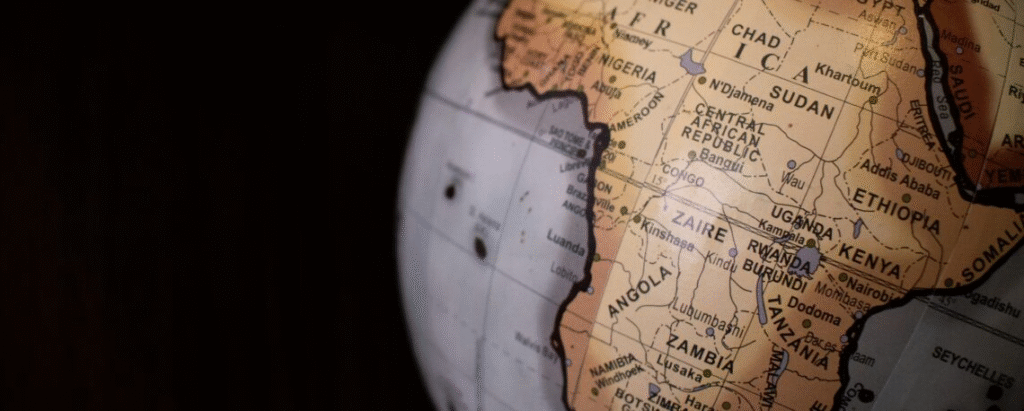
The war in the Democratic Republic of Congo did not begin yesterday. It is a fire that has burned for decades, fed by greed, history, and betrayal. From 1996 until now, more than six million people have died. Six million lives — gone — in a war that the world barely talks about. This conflict was born from another war, and that war from another, each one twisting deeper into the heart of Congo’s suffering.
The Rwandan genocide became the seed of what we now call the Congo wars. The First and Second Congo Wars were not just African conflicts — they were wars shaped by foreign hands and colonial divisions. Long ago, Germany and Belgium divided Rwanda’s people, calling some “superior” and others “inferior.” That poison of division spread across borders, and now, it still spills into our land.
In 2012, the M23 was created — a group born from another broken promise. The peace agreement of March 23, 2009, failed because the government and Rwanda both betrayed it. The rebels felt cheated, and Rwanda kept using them as a weapon. They were defeated in 2013, but the silence of the world gave them time to rebuild. By 2021, they rose again, stronger and deadlier than before.
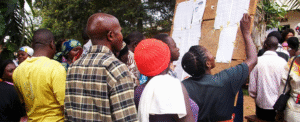
Today, M23 continues to destroy villages in North Kivu. They occupy land, steal minerals, and push more than half a million people from their homes. Families run with nothing but the clothes on their backs. Children sleep under trees. Women face abuse every day. The United Nations says over 520,000 people have been displaced in recent months. This is not a statistic — it is a humanitarian collapse.
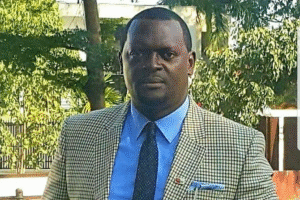
President Félix Tshisekedi has changed his military leadership, replacing top generals and naming Lieutenant-General Jules Banza Mwilambwe as the new Chief of General Staff. The goal is to fix a broken army and bring back control. But changing faces is not the same as changing the system. These appointments come after years of failure and corruption that left soldiers unpaid, untrained, and unmotivated. How can they fight when those leading them are still eating from the same table of betrayal?
The truth is, this war continues because Congo’s soil is too rich. Gold, cobalt, coltan, tantalum — these minerals are the bloodline of global technology. They build the phones we use, the laptops we type on, and the electric cars that the world celebrates as “green.” Yet behind every shiny gadget lies a dark reality — the death of a Congolese miner, the rape of a woman, the displacement of a child. The world’s progress is being powered by Congo’s pain.
Civil society in Congo keeps shouting, but few listen. Organizations like the Fally Ipupa Foundation and IOM are calling for a more complete approach — not just guns and orders, but real accountability and development. They are right. This war cannot be ended by force alone. It must be ended by truth, justice, and opportunity.
We need a plan that cuts through the roots of this crisis: corruption, exploitation, and foreign interference. We must demand that Rwanda and others stop supporting rebel groups. We must push for sanctions on those who profit from this war. And we must demand that the world finally treat Congolese lives as human lives — not as collateral for cheap minerals.
President Tshisekedi’s military change may look like a move toward progress, but without honesty and reform, it will only be another act in the same old play. The time for speeches is over. The time for international silence must end.
Congo has suffered enough. Six million dead is six million too many. The minerals under our feet should build our future, not bury it. It is time to fight for peace — not with guns, but with justice, courage, and unity. The world must stop pretending this is an African problem. It is a human one.