GOMA UNDER M23: A CITY TURNED INTO A PRISON OF FEAR
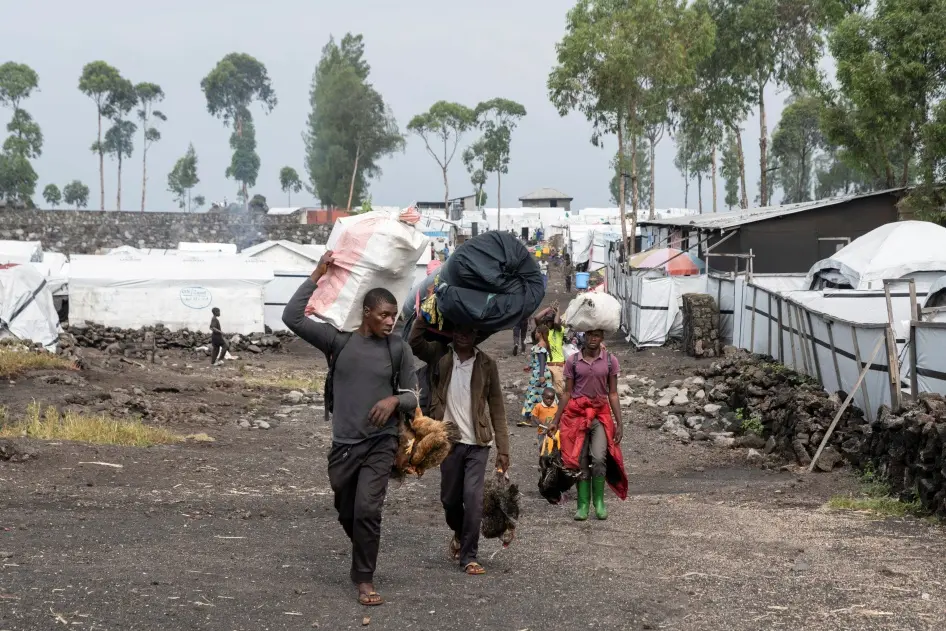
When the Rwanda-backed M23 rebels marched into Goma earlier this year, they promised change. They called themselves liberators. They said they came to bring peace, order, and dignity to a people tired of government neglect. But six months later, Goma is not a city of peace — it is a city of fear.
Reports from residents, civil society, and human rights groups reveal a dark truth: M23’s rule is built on repression, executions, and silence. People disappear at night. Young men are rounded up in the streets, accused of working with the national army or militias. Many never return. Families search for their loved ones but find only rumours, whispers, and graves.
Residents speak of mass arrests, forced recruitment, and torture. They say those who ask questions are punished. Activists have fled. Journalists have been beaten, arrested, or silenced. The air in Goma is heavy — not with hope, but with fear.
M23 came with the language of revolution but acts with the cruelty of occupation. They claim to protect the people, yet the people are their prisoners. They claim to bring order, yet their rule is built on blood. In the name of peace, they have created another war — a war against civilians, a war against truth.
Even as people are killed and dragged away, Goma’s nightlife glitters for the new elite. In nightclubs like “The Saloon,” rebel officials drink expensive champagne while the rest of the city starves. Banks have been closed by the government in Kinshasa, cutting off salaries and savings. Markets are empty. Shops are closed. The dollar is scarce, and hunger is growing. But the rebels drink and dance as if the city were theirs alone.
Teachers go months without pay. Parents cannot buy food. Children faint in classrooms from hunger. Women walk long distances to find water. And while people scrape by, M23 leaders collect taxes, take over businesses, and build their own empire on the ashes of a broken city.
Many residents admit that before M23, corruption and abuse were already destroying the city under the national government. The army and the police were no better — arresting, beating, and killing with impunity. The people were already living in pain. But now, the pain has a new name.
Witnesses tell stories that should make the world tremble. In Katindo, young men were tied up and shot for having scars or tattoos — signs that they might be part of a militia. In another neighbourhood, hundreds were taken in trucks to unknown destinations. Some were whipped during forced training. Some died from disease and beatings. Their only crime was being young and Congolese.
A civil rights activist from La Lucha described his arrest: locked in a dark cell that smelled of urine, beaten until he thought he would die. He was told he would not survive the night. He only lived because a friend intervened. Now he is in exile, far from the home he tried to protect.
This is not liberation. This is occupation. Goma is living proof of what happens when the world lets rebels backed by foreign armies take power in silence. Behind every act of “order” lies terror. Behind every clean street lies the blood of the disappeared.
And yet, in the middle of all this horror, there are still sparks of humanity. One woman in Goma said, “We cannot let a neighbour go without food.” Families who have nothing still share what little they have — charcoal, beans, or water. They feed the children of others even when their own children go hungry. That is what keeps Congo alive — the kindness of the powerless.
But kindness is not enough. The world must wake up. Rwanda’s hand in this tragedy is not a secret. Its soldiers train, arm, and guide M23 while pretending to seek peace. The United Nations knows. The African Union knows. The world’s great powers know. Yet they stay silent, hiding behind their own interests, their minerals, and their lies.
We must keep speaking, even when it is dangerous. Because silence helps the killers. Silence buries the truth. Goma is not free — it is occupied. And every day that passes without action is another day of suffering for our people.
Congo is bleeding, and the world watches. But we will not stop shouting. We will not stop writing. One day, justice will come. And when it does, the world will remember that it stayed silent while Goma cried.