CONGO’S ROADS OF EXTORTION: WHEN STATE AGENTS BECOME BANDITS IN UNIFORM
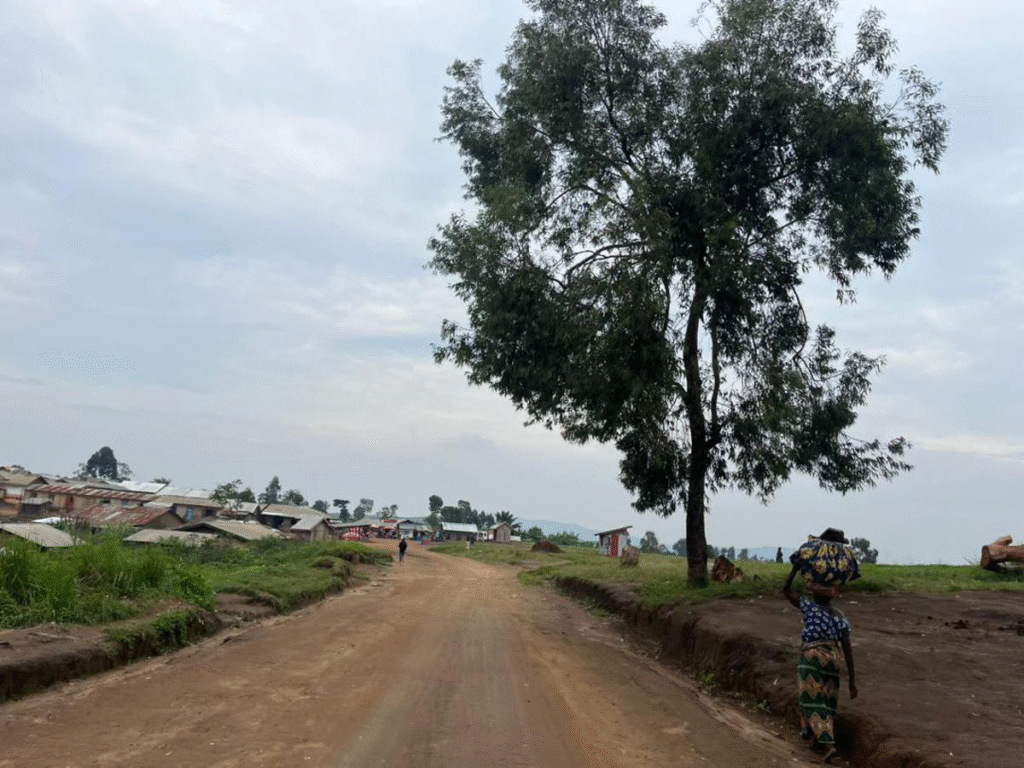
Every kilometer of Congo’s roads tells the same story — not of travel, but of theft. On the highways of Ituri, the roadblocks have become toll gates of corruption. Government departments, once tasked with serving the people, have turned into gangs with official stamps. They collect taxes that never reach the treasury, using the law as camouflage and the uniform as a weapon.
This week, the provincial government announced that several of these illegal tax collectors had been removed from road barriers on national roads 4 and 44. The culprits include officials from the economic crimes department, the chiefdom, transport and communication routes, migration services, and even the National Road Safety Commission (CNPR). In theory, this should have been a victory for justice.
In practice, it was another performance.
Traders who travel along these routes told Radio Okapi that the same officials return to their posts the moment the authorities leave. “They come back like ghosts,” one truck driver said. “You pay them today, they disappear tomorrow, then reappear next week wearing different uniforms but demanding the same bribes.”
A 120-kilometer journey between Makiki and Mambasa now costs over $400 in “fees.” To reach Kisangani, traders pay more than $1,000 — not to the state, but to a chain of predators operating in broad daylight. Many of these so-called services don’t even exist anymore, like the Economic Crimes Service, which was renamed Anti-Fraud years ago but continues to operate illegally, printing its own receipts and inventing new taxes.
The government’s latest delegation — led by the military attorney general — claims to be on a mission to end this harassment. Yet, this is not the first “cleanup.” Every few months, authorities arrive with cameras and promises, clear the checkpoints, pose for photographs, and then drive back to Kinshasa. A week later, the same barriers rise again like weeds after rain.
The result? Congo’s economy bleeds at every barrier. Small traders who bring goods from village to market are suffocated. Transporters who dare to resist face beatings or arrest. Every bag of rice, every drum of fuel, every plank of wood is taxed multiple times before reaching its destination. And the cost of this corruption is paid by ordinary Congolese through higher prices and broken dreams.
This is not just petty corruption — it is organized economic warfare. The very state meant to protect its citizens is strangling them. The road, a symbol of connection and commerce, has become a battlefield between the governed and the governors.
A member of the Federation of Congolese Businesses (FEC) called on the government to punish these rogue agents, but punishment rarely comes. Because in Congo, corruption is not a crime — it is a system. Those roadblocks exist not because the state is weak, but because too many in power profit from its weakness.
If the government truly wants to free the roads, it must go beyond public orders and temporary patrols. It must cut off the chain of command that links the roadblock soldier to the office in Kinshasa. It must track every dollar stolen from traders and make examples of those responsible.
Congo’s development will not begin with foreign aid or new mines. It will begin when a farmer can move goods from Epulu to Kisangani without being robbed by his own government. Until that day, every barrier on our roads will stand as a monument to our failure — a reminder that in this nation, freedom of movement still has a price tag.