WHEN A NATION LOSES ITS MONEY: MAHAGI TURNS TO THE UGANDAN SHILLING
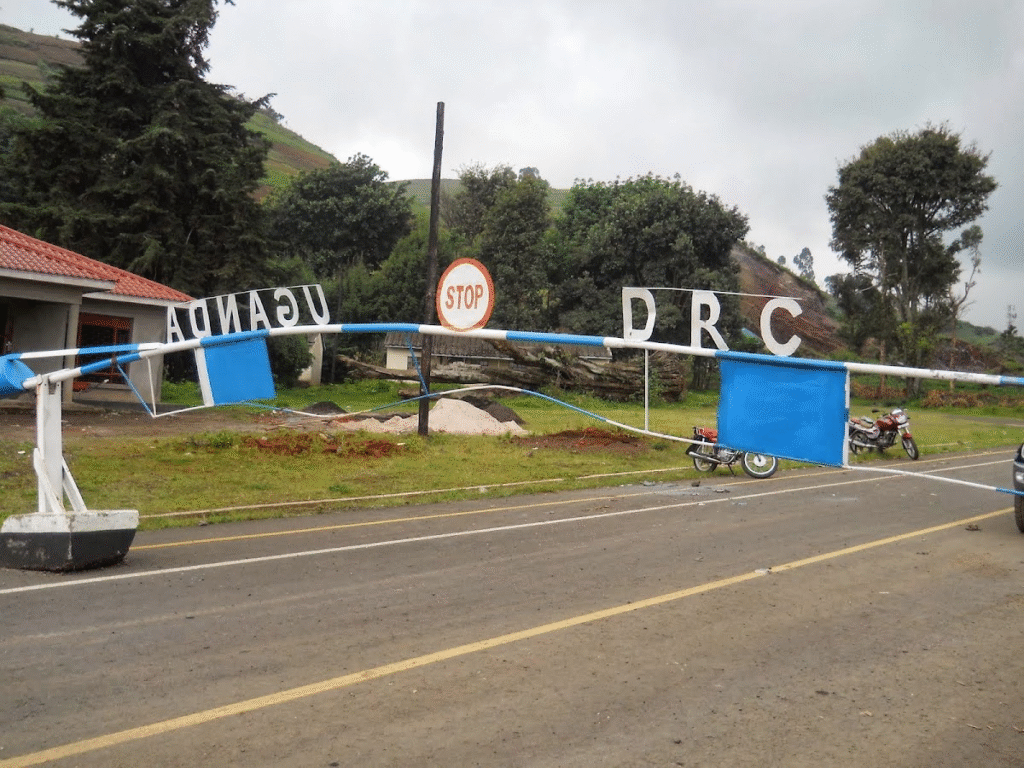
In Mahagi, Ituri province, the Congolese franc has become a ghost. It still exists on paper, but not in the hands of the people. In the markets, in shops, and on the streets, the only currency that speaks with power is the Ugandan shilling. The traders have abandoned their own national money — and with it, a piece of Congo’s sovereignty.
A Radio Okapi reporter visiting the area on February 15 found that all prices, from tomatoes to transport fares, are now fixed in Ugandan shillings. Even small street vendors, who once juggled between both currencies, have stopped accepting the franc altogether. “We no longer know its value,” said one shopkeeper, shrugging as he counted stacks of shillings.
This quiet shift has alarmed local civil society leaders, who warn that the heart of national identity — the currency — is slipping away. “Currency is one of the key symbols of sovereignty,” one activist said. “If the Congolese franc no longer circulates in our own markets, then what is left of our sovereignty?”
But for many in Mahagi, the choice is not political — it is practical. The shilling, stable and accepted across the border, offers predictability in a region where prices change daily and the Congolese franc has become almost meaningless. A motorcycle taxi driver explained the logic bluntly: “The franc and the shilling are almost equal, but everyone prefers the shilling because it holds its value. The franc is just paper now.”
Even the exchange rates make little sense anymore. Officially, eight thousand Congolese francs equal ten thousand Ugandan shillings. But in Mahagi’s markets, traders simply round it off — ten thousand for ten thousand. “The women here don’t want to calculate,” said a young man interviewed by Radio Okapi. “They just match the numbers. It’s easier that way.”
Behind this simplicity hides a deep economic fracture. The Congolese franc’s rejection is not just about numbers — it is about trust. People no longer believe their own currency can buy what they need tomorrow. And that mistrust, once entrenched, spreads faster than inflation.
Local leaders have called on the central government to intervene — to restore confidence in the franc, to enforce its use, and to remind citizens that it still represents the nation’s sovereignty. But Kinshasa feels far away, and Mahagi’s traders will not wait for policy speeches when they need to feed their families today.
So life continues in shillings. Children buy sweets in shillings. Farmers sell maize in shillings. Even local officials, when pressed, admit that their salaries lose value the moment they are paid in francs.
In Mahagi, Congo’s money no longer rules — Uganda’s does. And with every transaction, the border between the two countries becomes less a line on a map and more a shift in power, where one currency lives, and another slowly dies.