CEMENT AND SPECULATION: WHEN WAR BECOMES A BUSINESS IN CONGO
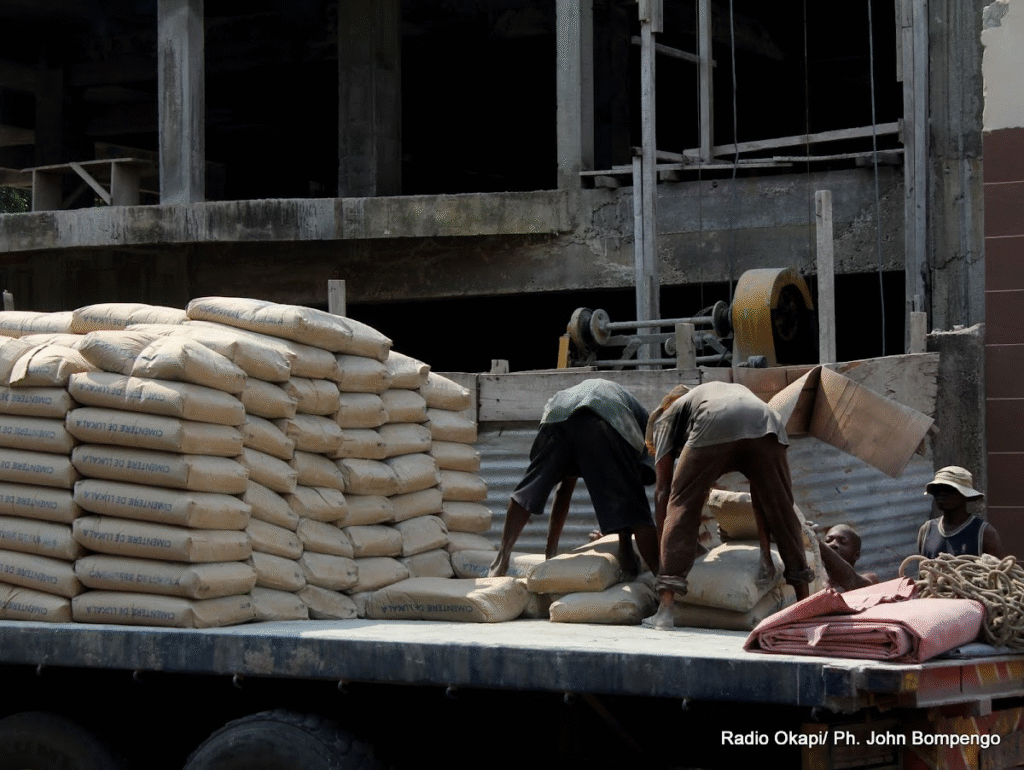
In a country already broken by conflict, even the price of cement has become a weapon against the poor. For nearly three weeks, the cost of a 50-kilogram bag has jumped from $14 to $21 or even $22 — a staggering rise that has brought construction sites to a halt and dreams of progress to dust.
In the streets, builders sit idle beside unfinished walls. “We had to stop work,” says one worker, his hands covered in dried cement that has now hardened into unemployment. “Customers are no longer following, and the site is blocked.” What should have been a symbol of growth — homes, schools, clinics — now stands as another monument to Congo’s endless cycle of greed and crisis.
The sellers blame the war in the east, where trucks carrying goods from Kinshasa to Goma pass through regions littered with armed checkpoints. They say the rising cost of transport and insecurity has made everything more expensive. It’s a familiar excuse — one that has become as common as the gunfire itself.
But this time, not everyone is buying the story. The Provincial Minister of Economy, Senold Tandia, has called it what it truly is: speculation. In a heated meeting with suppliers last week, he accused them of artificially inflating prices to exploit chaos. “This is not an increase based on market realities,” he declared. “The price must immediately drop to $16, no more. Violators will be punished.”
The business community nodded, promised compliance, and left. Yet, three days later, warehouses remain shuttered. The few that are open sell cement at the same inflated prices — proof that, in Congo, power often stops at the door of corruption.
What we are witnessing is not simply an economic issue. It is a reflection of a system that feeds on people’s suffering. The war in the east, already devastating millions, has become an alibi for exploitation everywhere else. Every bullet fired in North Kivu now justifies a price hike in Kinshasa. Every displaced family becomes a market excuse.
For the elites who control imports and distribution, chaos is profitable. When roads are blocked, they hoard. When prices rise, they profit. And when officials threaten sanctions, they wait it out, knowing that politics in Congo is often a theatre of empty warnings.
Meanwhile, ordinary people — the ones trying to build homes for their families — are left trapped between the gunmen of the east and the speculators of the west. In a country rich in cobalt, copper, and gold, a simple bag of cement has become a luxury.
This is what systemic failure looks like: when war is not just fought with weapons but with prices; when poverty becomes an opportunity for the powerful; when even rebuilding is priced out of reach.
If the government truly wants to fight speculation, it must go beyond press statements. It must regulate imports transparently, cut the middlemen who manipulate markets, and punish corruption within its own ranks. The same political elite that benefits from instability cannot be trusted to fix it.
The price of cement is more than an economic story — it is a moral one. It shows how far Congo has drifted from justice, where even peace is sold for profit. When a nation can no longer build, it begins to collapse from within.
And today, as construction sites fall silent across the country, we must ask ourselves: who is really winning this war — the rebels, or the profiteers in suits?