GOMA COUNCILORS CONDEMN CENI’S DECISION TO CLOSE ELECTORAL CYCLE WITHOUT LOCAL ELECTIONS
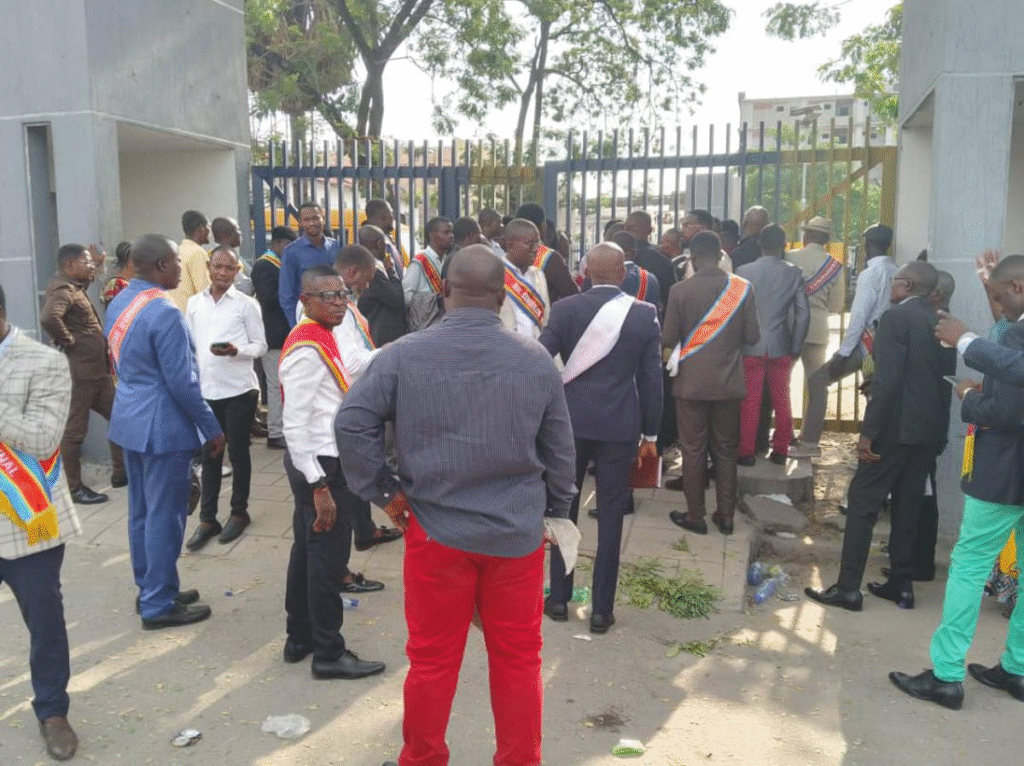
Municipal councilors in Goma, North Kivu, have strongly denounced the Independent National Electoral Commission (CENI) for announcing the closure of the 2023 electoral cycle without organizing long-awaited local elections. The decision, they argue, constitutes a constitutional breach that undermines decentralization and delays meaningful development at the grassroots level.
Speaking at a press conference on Saturday, April 12, the councilors said the suspension of local elections had effectively frozen their democratic aspirations and entrenched a system of appointed rather than elected leadership. They warned that the absence of these elections erodes public trust and blocks the functioning of legitimate local governance.
“These elections were the foundation of our political commitment,” one councilor said. “Today, appointed mayors are governing cities while ignoring the authority of elected representatives. This creates institutional paralysis and deprives citizens of accountable leadership.”
Many of the affected candidates had already paid registration deposits and completed all the required procedures when CENI suddenly halted the process. “The same CENI invited us to submit our candidacies,” explained Maître Séraphin Kahanga Ilunga, spokesperson for mayoral and urban councilor candidates in the DRC. “After collecting our documents, the offices were closed, and now they claim to lack resources. This is unacceptable.”
According to Kahanga, CENI cited a funding shortfall of $59 million as the reason for the postponement. He and other candidates, however, believe that the government’s priorities are misplaced. They are calling on national authorities to urgently release the necessary funds to ensure that local elections — the cornerstone of participatory democracy — are finally held.
“The government must understand that democracy does not end with national elections,” Kahanga said. “Local institutions are where citizens truly experience governance. To deny people this right is to deny them democracy itself.”
The councilors also criticized CENI’s recently published 2025–2029 roadmap, which focuses primarily on preparing for the next presidential election scheduled for December 2028. The document, while outlining timelines for national and provincial polls, makes no reference to organizing overdue local elections.
Observers say this omission reinforces a long-standing pattern in Congolese politics, where successive governments have favored national contests while neglecting local structures that are vital for service delivery and accountability.
Civil society organizations have echoed the councilors’ concerns, warning that failure to hold local elections undermines decentralization — a principle enshrined in the 2006 Constitution to ensure regional autonomy and citizen participation.
“Without elected local leaders, decentralization remains a hollow promise,” said one activist in Goma. “How can we talk about development if communities cannot even choose who represents them?”
For the frustrated councilors, the issue is not only political but also moral. They insist that the government must honor its constitutional obligations and respect the sacrifices of thousands of candidates who invested time, money, and hope in a democratic process now in limbo.
As the debate intensifies, many fear that the continued postponement of local elections risks deepening public disillusionment and weakening the very institutions meant to bring democracy closer to the people.