THE IMF’S SILVER CHAINS: WHY CONGO’S DEBT DEAL IS JUST ANOTHER FORM OF CONTROL
Another day, another promise of salvation from Washington. On July 2, 2025, the International Monetary Fund meets to decide whether Congo deserves another $266 million lifeline. To them, it’s an “Extended Credit Facility.” To us, it’s a leash — a polished, financial leash dressed in the language of progress and reform.
The IMF says it wants to “strengthen Congo’s macroeconomic stability.” Beautiful words. But behind that phrase lies a painful truth: Congo has never been unstable because of lack of discipline — it has been robbed into poverty. The IMF knows this, yet still presents itself as the savior. The same institution that praises “budget transparency” says nothing about the minerals stolen from the east or the billions lost to warlords and foreign corporations.
They say the money will “lessen the impact of the security crisis.” How? By funding more bureaucrats in Kinshasa while children in Goma sleep under plastic sheets? By paying consultants to write reports while hospitals in Bukavu run out of medicine? Every dollar that enters this system leaves with interest — not just financial, but political. Congo is being sold one loan at a time.
Yes, the IMF and the government have reached a “staff-level agreement.” And yes, the $266 million will soon flow — on paper. But in the streets of Kinshasa, people still can’t afford bread. In North Kivu, families are still hiding from bombs. The IMF praises “reforms,” but these reforms never reach the poor. They reach the spreadsheets. They impress the donors. They make ministers look good at conferences. But the ordinary Congolese still walk in darkness.
This new program — worth $1.7 billion — is the second of its kind in just four years. The last one, from 2021 to 2024, promised transparency and accountability. It ended with more debt, more corruption, and zero change. What did it achieve? More mining contracts handed to foreigners. More IMF applause. More suffering.
Now, once again, Congo is told to smile for the cameras as the Board meets in Washington to decide our fate. We are told it’s progress that the “revised budget” has been approved. But that budget — worth $17.2 billion — was already cut by 1.7% because of the war. So what does $266 million mean in a nation being bled dry by conflict? It’s not even enough to rebuild one destroyed province.
The IMF calls it “credit.” We call it what it is: dependency. Every dollar borrowed today is a future decision stolen tomorrow. They lend us money for reforms but remain silent about Rwanda’s looting of our minerals. They praise “regional stability” while our east burns. They cite “peace agreements with Rwanda” and “ongoing mediation with M23,” but do not mention the thousands still displaced, raped, or buried because of that same “peace.”
Let us not be fooled by polished English and press releases. These loans are not gifts — they are instruments of control. The IMF does not invest in Congo’s people; it invests in Congo’s obedience. It funds the illusion of governance while our sovereignty is auctioned off in boardrooms.
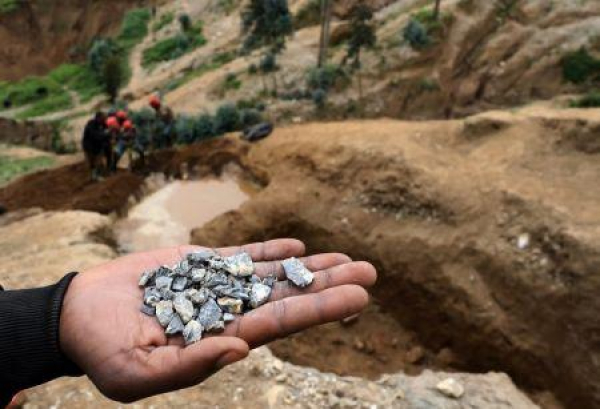
Congo does not need another loan. It needs justice. It needs control over its own wealth — its gold, cobalt, and coltan. The resources that power the world should fund our schools, not foreign debts. The east’s minerals should rebuild our country, not enrich Rwanda and Western corporations.
But the IMF will not speak of that. Because the real goal is not Congo’s freedom — it is Congo’s containment. To keep the system running, to keep the minerals flowing, to keep the people quiet.
So when the Board approves this new disbursement, don’t celebrate. Mourn. Mourn because every loan signed in Washington is another shackle placed on Kinshasa. Mourn because the world’s richest country in minerals has been made to beg for money it doesn’t need. Mourn because the price of this “credit” is not paid in dollars — it is paid in dignity.
Congo does not need the IMF’s silver chains. It needs to break them.